
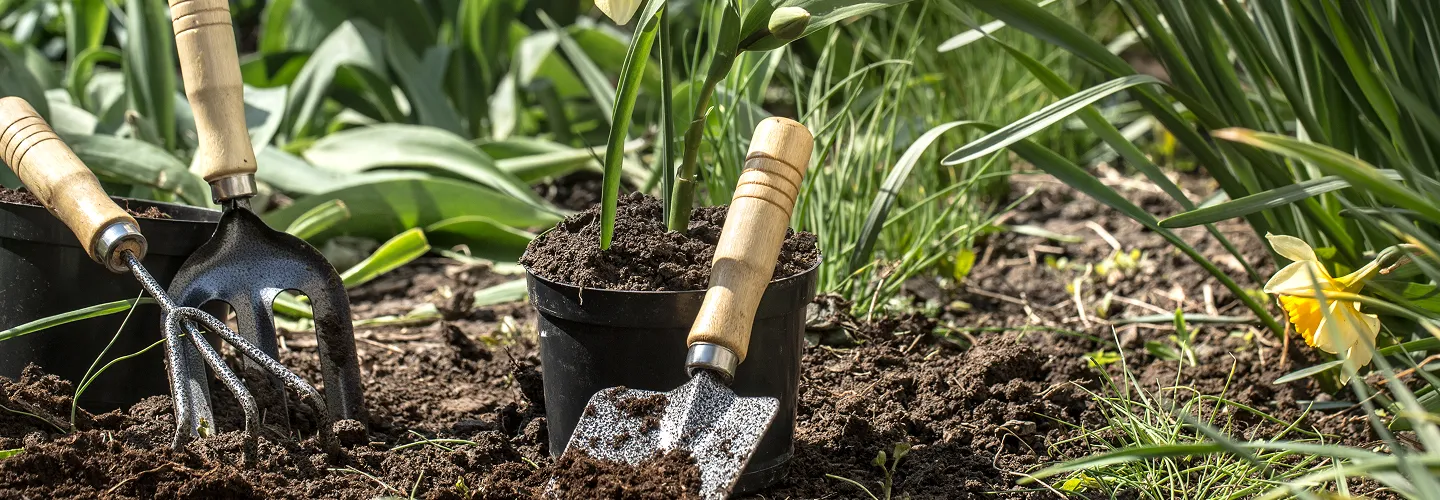
Fountain Hills Lawn Edging Services
Choose our Lawn Edging services for expertly defined borders that boost curb appeal, prevent grass overgrowth, and give your landscape a polished, professional look that lasts.
Get a Free QuoteOur Fountain Hills Landscaping & Yard Care Services
When to Schedule Lawn Edging in Fountain Hills, Arizona – Seasonal Guide
In Fountain Hills, Arizona, the best times to schedule lawn edging are typically during the early spring and late fall. These periods align with milder temperatures and reduced drought risk, making it easier to achieve crisp, clean edges without stressing your turf. The unique Sonoran Desert climate means that summers can be extremely hot and dry, so edging during peak heat—especially in neighborhoods like Eagle Mountain or near Fountain Park—can lead to rapid moisture loss and potential turf damage.
Local environmental factors play a significant role in determining the optimal timing for lawn edging. For example, areas with heavy shade from mature mesquite or palo verde trees may retain soil moisture longer, while properties on sloped terrain or near the McDowell Mountain foothills may experience faster runoff and require more frequent maintenance. It's also important to consider municipal guidelines and water restrictions, which can impact when and how often you can perform lawn care tasks. For more information on local regulations, visit the official town website.
Local Factors to Consider for Lawn Edging in Fountain Hills
- Tree density and shade coverage
- Soil type and drainage (sandy vs. clay soils)
- Proximity to landmarks like Fountain Park or McDowell Mountain
- Seasonal precipitation and drought risk
- Municipal water use restrictions
- Terrain and slope of your property
Benefits of Lawn Edging in Fountain Hills
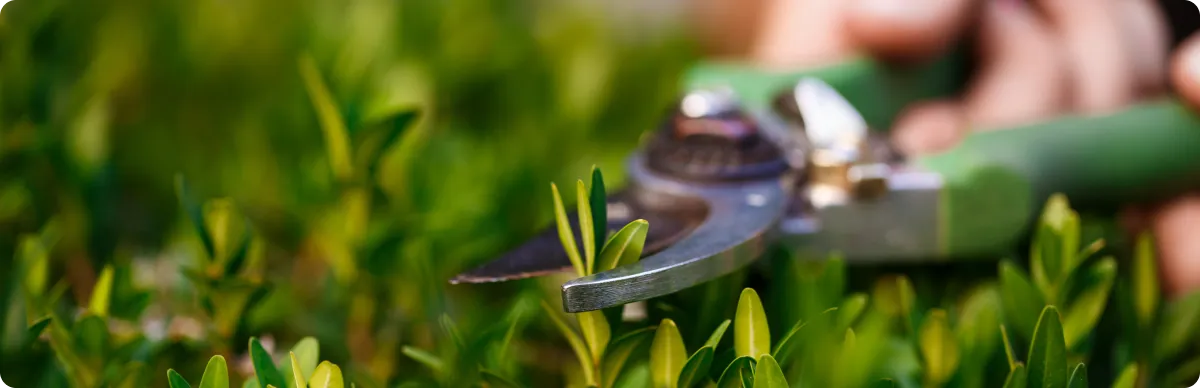
Enhanced Curb Appeal
Weed Growth Prevention
Defined Landscape Borders
Low Maintenance Solutions
Increased Property Value
Professional Installation Expertise
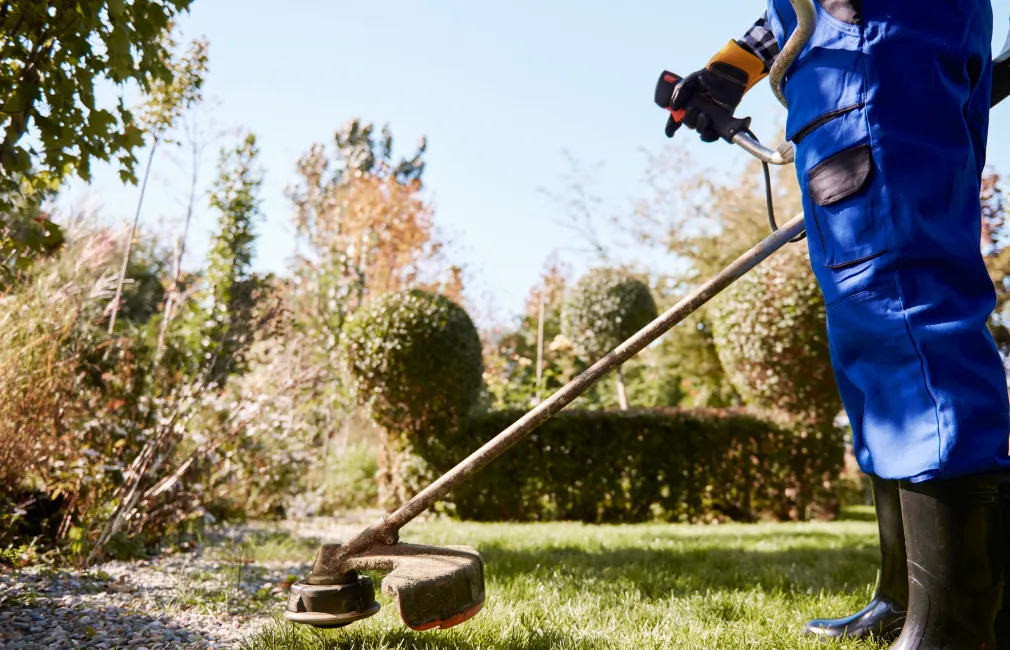
Fountain Hills Lawn Edging Types

Brick Lawn Edging
Brick edging offers a classic and durable border for your landscape.
-
Metal Lawn Edging
Metal edging provides a sleek, modern look and long-lasting performance.
-
Plastic Lawn Edging
Plastic edging is a cost-effective and flexible solution for defining garden beds.
-
Stone Lawn Edging
Stone edging creates a natural and elegant boundary for lawns and flower beds.
-
Concrete Lawn Edging
Concrete edging delivers a sturdy and customizable border for landscaping projects.
-
Wood Lawn Edging
Wood edging adds a rustic charm and blends seamlessly with outdoor environments.
-
Rubber Lawn Edging
Rubber edging is eco-friendly and provides a safe, flexible border for gardens.
Our Lawn Edging Process
Site Evaluation
Marking Edges
Cutting the Edge
Debris Removal
Final Inspection
Why Choose Fountain Hills Landscape Services
-
Fountain Hills Homeowners Trust Us
-
Expert Lawn Maintenance
-
Reliable Irrigation Solutions
-
Comprehensive Weed Control
-
Competitive Pricing
-
Professional Team
-
Satisfaction Guarantee
Coordinating Lawn Edging Services with Fountain Hills Public Works and Infrastructure
Lawn edging in Fountain Hills requires attention to the town's curb, gutter, and drainage infrastructure. Edging along public sidewalks, curb lines, and street frontages must not displace soil, clippings, or debris into the town's storm drainage system. Fountain Hills Public Works oversees maintenance of streets, drainage facilities, and public rights-of-way, and residents should verify current rules before edging along any town-maintained frontage. Key coordination points include:
- Keeping all turf clippings, soil fragments, and organic debris out of curb inlets and gutter channels during and after edging
- Avoiding mechanical edging that undercuts or damages concrete curbing, sidewalk joints, or irrigation sleeves in the right-of-way
- Disposing of edging debris through approved green waste channels rather than sweeping material into the street or adjacent washes
- Confirming with Public Works whether any planned hardscape-adjacent edging affects town drainage flow or utility easements
Residents and property managers working near drainage corridors or retention basins should also coordinate with the town's Environmental Programs division, which administers stormwater management and environmental compliance for the community.
Fountain Hills Public Works
16705 E. Avenue of the Fountains, Fountain Hills, AZ 85268
Official Website: Fountain Hills Public Works
How Fountain Hills's Desert Soils and Heat Affect Lawn Edging Quality
Fountain Hills sits within the Phoenix metro low-desert region, classified in USDA Hardiness Zone 9b to 10a, where extreme summer heat, alkaline soils, and monsoon storm cycles directly influence lawn edging practices. The town's terrain includes rocky hillside lots, decomposed granite substrates, and areas of caliche hardpan that can complicate mechanical edging near turf borders. Residents should account for the following local conditions:
- Alkaline, calcium-rich soils resist clean blade cuts and dull edging equipment faster than neutral-pH soils, requiring more frequent blade maintenance
- Reflected heat from block walls, pavement, and decorative rock accelerates turf desiccation along edges, making irrigation overspray management critical to maintaining a defined turf line
- Monsoon runoff between July and September can erode exposed edge channels, washing soil and clippings into retention basins and storm drains
- Bermudagrass stolons, the dominant warm-season turf in Fountain Hills, aggressively creep across hardscape borders and require consistent edging to prevent encroachment into walkways, driveways, and decorative rock beds
The University of Arizona Cooperative Extension provides region-specific guidance on bermudagrass management, including edge maintenance timing relative to active growth periods.
Fountain Hills Stormwater and Zoning Regulations Relevant to Lawn Edging
While routine lawn edging on private residential property does not typically require a permit in Fountain Hills, several regulatory frameworks apply to how edging debris and site disturbance are managed. Under Arizona DEQ stormwater regulations and the federal Clean Water Act, sediment, clippings, and soil displaced during edging must not enter the municipal storm sewer system or natural washes. Fountain Hills Environmental Programs oversees local stormwater compliance and can advise on best management practices for properties adjacent to drainage corridors.
- Edging debris swept or blown into streets, curb inlets, or washes may constitute an illicit discharge under the town's MS4 obligations
- Properties within planned area developments or HOA-governed subdivisions may face additional landscape maintenance standards that specify edging frequency or turf border appearance
- Edging work along public rights-of-way or town easements should be confirmed with Fountain Hills Development Services to avoid conflicts with utility infrastructure or grading requirements
Fountain Hills Environmental Programs
16705 E. Avenue of the Fountains, Fountain Hills, AZ 85268
Official Website: Fountain Hills Environmental Programs
The Arizona Department of Water Resources also provides landscaping guidance that encourages reducing irrigated turf area, which may affect long-term edging scope on properties transitioning to xeriscape borders.
Timing and Methods for Lawn Edging in Fountain Hills's Low-Desert Climate
Professional lawn edging in Fountain Hills follows the growth cycle of bermudagrass, which is actively growing from approximately April through October. Edging during peak growth months ensures clean recovery and prevents ragged turf margins. During the cooler months, properties overseeded with perennial ryegrass may require continued edging through winter, though at reduced frequency. The University of Arizona Turfgrass Research program offers detailed seasonal management calendars applicable to low-elevation Arizona communities.
- Mechanical rotary edgers produce the cleanest vertical cuts along concrete curbs, sidewalks, and mow strips, and should be set to a depth of approximately 1.5 to 2.5 inches depending on turf root density
- String trimmer edging is suitable for softer borders between turf and decorative rock or planting beds but requires careful angle control to avoid scalping
- Edging frequency during summer active growth typically ranges from every one to two weeks; bermudagrass stolons can cross a hardscape border within days during peak heat
- Irrigation coordination is essential—edging immediately before or after an irrigation cycle on saturated soil tears turf rather than cutting it cleanly, and displaced wet soil is more likely to enter drainage infrastructure
- All clippings and soil should be collected on-site and managed as green waste rather than left on hardscape surfaces where wind or runoff can carry them into the storm system
What Neighborhoods Do We Serve Throughout Fountain Hills, AZ?
- FireRock Country Club — Large estate lots with extensive irrigated turf borders along golf course frontages require precise edging to maintain clean transitions between bermudagrass, decorative rock, and cart paths on sloped terrain.
- Eagle Mountain — Properties in this master-planned community feature mow strips and concrete-bordered turf panels where consistent mechanical edging prevents bermudagrass encroachment into common-area walkways.
- SunRidge Canyon — Hillside lots with terraced landscaping and retaining walls demand careful edging to avoid displacing soil into downslope drainage channels during monsoon season.
- Balera at Firerock — Newer construction with compact lot layouts and hardscape-intensive yards benefits from frequent edging to keep turf margins defined against pavers and block walls.
- CopperWynd — Elevated lots with significant reflected heat from exposed rock and masonry require edging timed to early morning hours to reduce turf stress along sun-facing borders.
- Fountain Hills Town Center area — Mixed residential and commercial frontages near the Avenue of the Fountains corridor involve edging adjacent to public sidewalks and curb infrastructure where debris management is particularly important.